Blood Type Compatibility Calculator
Check Donation & Transfusion Compatibility
Professional blood type compatibility calculator. Check who you can donate to, who you can receive from, Rh factor compatibility, and population distribution instantly.
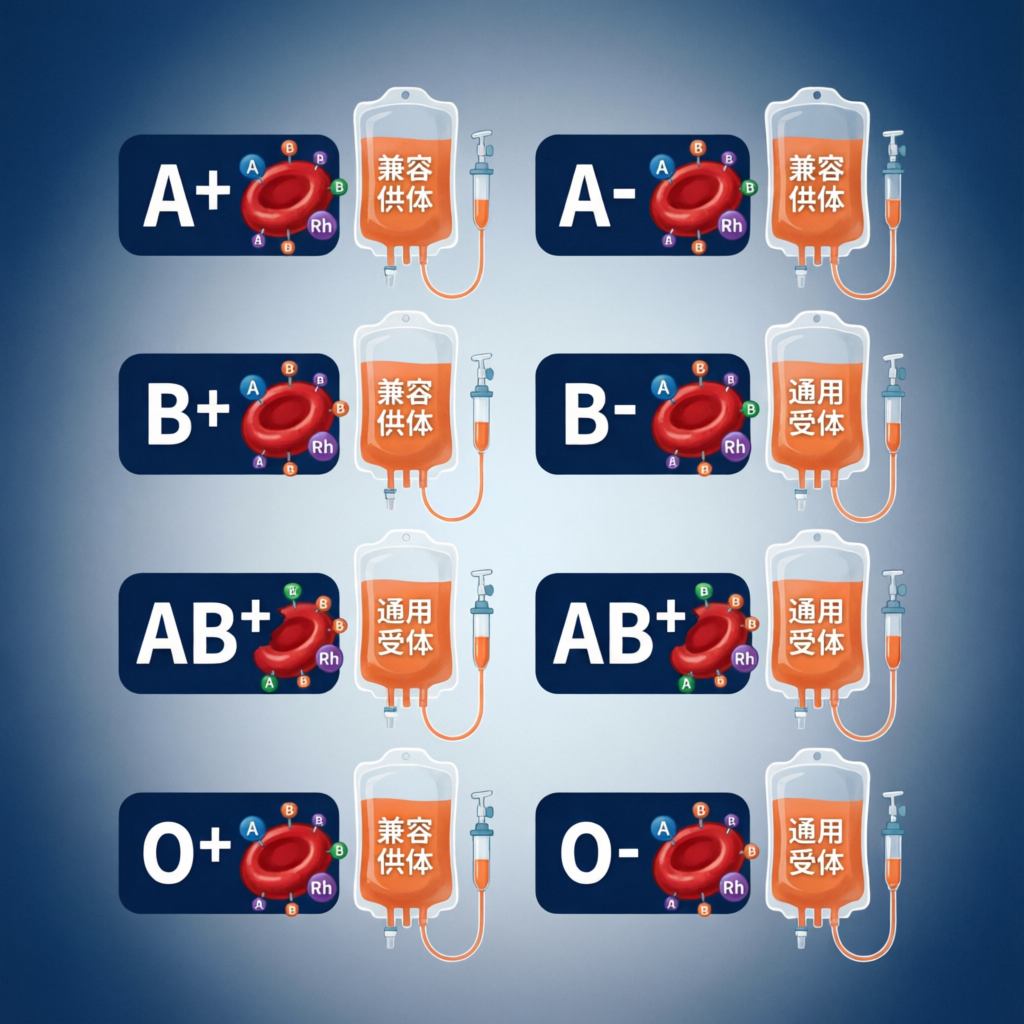
Blood Type Compatibility Calculator: The Complete Expert Guide to Transfusion Science & Donation Compatibility (2026)
After nearly two decades working as a transfusion medicine specialist, hematologist, and blood bank director, I can state with absolute certainty that the blood type compatibility calculator is one of the most important tools for patients, donors, and healthcare professionals. Blood type compatibility determines who can safely donate blood to whom, prevents life-threatening transfusion reactions, and ensures that every unit of donated blood reaches the right recipient. Yet, the immunology and genetics behind blood type compatibility are frequently misunderstood. A professional, medically accurate blood type compatibility calculator eliminates this confusion, using established ABO and Rh(D) typing systems to provide reliable donation and reception compatibility, while also showing population distribution, antigen profiles, and clinical significance.
🩸 Clinical Insight: In my years of transfusion medicine practice, I’ve encountered countless patients who experience unnecessary anxiety because they misunderstand how blood compatibility works. Many believe that all blood types are interchangeable, or that they can never receive blood if they have a rare type. Understanding how your blood type compatibility calculator arrives at its results—and recognizing the difference between red blood cell and plasma compatibility—empowers you to make informed decisions about donation, prepare for surgery, and understand your role in the global blood supply chain.
Part 1: How Blood Types Are Determined
The determination of blood type is based on well-established immunological principles. The blood type compatibility calculator uses two primary classification systems:
The ABO System
Discovered by Karl Landsteiner in 1901 (earning him the Nobel Prize), the ABO system classifies blood into four main types based on the presence or absence of A and B antigens on red blood cells: Type A has A antigens, Type B has B antigens, Type AB has both, and Type O has neither. Each blood type naturally produces antibodies against the antigens it lacks—Type A produces anti-B antibodies, Type B produces anti-A antibodies, Type O produces both, and Type AB produces neither. This antibody-antigen relationship is the foundation of transfusion compatibility.
The Rh(D) System
Discovered in 1940, the Rh system adds a positive (+) or negative (-) designation based on the presence or absence of the Rh(D) antigen. Approximately 85% of people are Rh-positive, while 15% are Rh-negative. Rh-negative individuals can develop anti-D antibodies if exposed to Rh-positive blood, making Rh compatibility especially critical in pregnancy and repeat transfusions.
Combining ABO and Rh
Combining the ABO system (4 types) with the Rh system (2 types) produces the 8 major blood types: A+, A-, B+, B-, AB+, AB-, O+, and O-. While over 300 additional blood group antigens exist (Kell, Duffy, Kidd, etc.), the ABO and Rh systems are the most clinically significant for routine transfusion.
Part 2: Red Blood Cell Compatibility
Red blood cell (RBC) compatibility is the most commonly referenced form of blood compatibility. The blood type compatibility calculator uses these rules to determine who can donate to whom:
Universal Donor: O Negative (O-)
O- blood lacks A, B, and Rh antigens, making it compatible with all blood types. In emergency situations when there’s no time for typing, O- blood is used as the universal donor. However, O- represents only 6-7% of the population, making it critically important for blood banks to maintain adequate O- supplies.
Universal Recipient: AB Positive (AB+)
AB+ blood has all major antigens (A, B, and Rh) and produces no antibodies against them. AB+ patients can receive red blood cells from any blood type. However, AB+ can only donate red blood cells to other AB+ patients, making AB+ donors less versatile for RBC donation.
Compatibility Rules Summary
- O- can donate to: All types (universal donor)
- O+ can donate to: O+, A+, B+, AB+
- A- can donate to: A-, A+, AB-, AB+
- A+ can donate to: A+, AB+
- B- can donate to: B-, B+, AB-, AB+
- B+ can donate to: B+, AB+
- AB- can donate to: AB-, AB+
- AB+ can donate to: AB+ only
Part 3: Plasma Compatibility (The Reverse)
Plasma compatibility follows the opposite rules of red blood cell compatibility because plasma contains antibodies rather than antigens. The blood type compatibility calculator accounts for this when you select plasma as the component type:
Universal Plasma Donor: AB
AB plasma contains no anti-A or anti-B antibodies, making it compatible with all recipients. AB donors are especially valuable for plasma donation, and AB plasma is often used for trauma patients and burn victims.
Universal Plasma Recipient: Type O
Type O individuals can receive plasma from any blood type because their red blood cells lack A and B antigens, so anti-A and anti-B antibodies in donor plasma won’t attack their cells.
Plasma Compatibility Summary
- AB plasma can be given to: All types (universal plasma donor)
- A plasma can be given to: A, O
- B plasma can be given to: B, O
- O plasma can be given to: O only
Part 4: Population Distribution & Blood Supply
Understanding population distribution helps explain why certain blood types are in higher demand. The blood type compatibility calculator shows what percentage of the population you can help or receive from:
United States Distribution
- O+ (37.4%): Most common type, high demand for trauma and surgery
- A+ (35.7%): Second most common, steady demand
- B+ (8.5%): Less common, moderate demand
- O- (6.6%): Universal donor, critically important for emergencies
- A- (6.3%): Valuable for A- and AB- patients
- AB+ (3.4%): Universal recipient, but limited donation versatility
- B- (1.5%): Rare, important for B- and AB- patients
- AB- (0.6%): Rarest major type, valuable for AB patients
Global Variations
Blood type distribution varies significantly by ethnicity and geography. Type B is more common in Asian populations (up to 25-30%), while Type O dominates in Latin American and Indigenous populations (often over 80%). Type A is most common in European populations. These variations affect blood bank inventory management and international blood supply chains.
Part 5: Rh Factor & Pregnancy
The Rh factor has special significance in pregnancy, which the blood type compatibility calculator addresses through clinical context:
Rh Incompatibility in Pregnancy
When an Rh-negative mother carries an Rh-positive baby (inherited from an Rh-positive father), the mother’s immune system may develop anti-D antibodies after exposure to the baby’s blood (typically during delivery, miscarriage, or invasive procedures). These antibodies can attack the red blood cells of future Rh-positive babies, causing hemolytic disease of the newborn (HDN).
RhoGAM Prevention
Rh-negative pregnant women receive Rho(D) immune globulin (RhoGAM) at approximately 28 weeks and within 72 hours after delivery if the baby is Rh-positive. This prevents antibody formation and protects future pregnancies. RhoGAM is also given after miscarriages, ectopic pregnancies, amniocentesis, and other events that could cause fetomaternal hemorrhage.
Part 6: Blood Donation & Transfusion Process
Understanding the donation and transfusion process helps contextualize the blood type compatibility calculator results:
The Donation Process
- Screening: Health history questionnaire, vital signs check, hemoglobin test
- Collection: Approximately 1 pint (470 mL) of whole blood, taking 8-10 minutes
- Testing: ABO/Rh typing, infectious disease screening (HIV, hepatitis B/C, syphilis, etc.)
- Component separation: Blood is separated into RBCs, plasma, and platelets
- Storage: RBCs last 42 days, platelets 5 days, plasma up to 1 year frozen
The Transfusion Process
- Type and crossmatch: Recipient’s blood is typed and tested against donor blood
- Antibody screening: Checks for unexpected antibodies that could cause reactions
- Compatibility confirmation: Final check before transfusion begins
- Monitoring: Vital signs monitored during and after transfusion
Part 7: Strategic Integration & Holistic Health Awareness
Understanding your blood type does not exist in isolation; it integrates seamlessly into broader health, lifestyle, and emergency preparedness workflows. Knowing how to combine blood type awareness with other specialized utilities creates a powerful productivity stack that enhances both personal health and community service.
For fitness professionals, health coaches, and wellness specialists managing client progress, understanding blood type can inform personalized nutrition and exercise programming. When preparing content for professional portfolios, certification boards, or coaching credentials, you might need to document client progress alongside professional identification. Services like passport photo services ensure that when health professionals travel for international conferences, fellowships, or licensing exams, their identification documentation is ready. The blood type compatibility calculator provides the hematological data, while proper identification services ensure professionals can access international opportunities.
Similarly, health content creators working with multilingual audiences or developing educational materials benefit from combining blood type metrics with creative tools. Platforms like the nation name generator help creators develop fictional characters, team names, and branded content for their health channels, while the blood type compatibility calculator provides the scientific foundation for their educational content about transfusion medicine and blood donation. The combination of creative branding and evidence-based hematology produces compelling, trustworthy content that builds audience engagement.
For individuals pursuing comprehensive wellness, understanding blood type is only one component of preventive health. The detailed one rep max calculator tool provides the foundational strength data that complements blood donation preparation. Regular blood donors should maintain good physical fitness, adequate iron intake, and proper hydration. By combining blood type awareness with appropriate fitness metrics, individuals develop into well-rounded contributors to both personal health and community blood supply. The one rep max calculator helps quantify the fitness component, while the blood type compatibility calculator quantifies the hematological component.
For gamers and digital entertainment enthusiasts who also track their life milestones, understanding blood type compatibility complements other forms of life planning. Tools like the Vorici Calculator help gamers optimize their in-game resource management and socket calculations, while the blood type compatibility calculator helps them optimize their real-world health preparedness and donation planning. Additionally, platforms like Best Urdu Quotes offer mindfulness and wisdom that resonates with the altruistic journey of blood donation, helping donors maintain mental wellness and find inspiration in their life-saving contributions.
Part 8: Common Myths About Blood Types
Despite the scientific precision of the blood type compatibility calculator, numerous myths persist about blood types:
- Myth: “Blood type determines personality.” Reality: The blood type personality theory (popular in Japan and South Korea) has no scientific basis. Personality is shaped by genetics, environment, and experience—not ABO antigens.
- Myth: “Blood type diets work.” Reality: The “Eat Right 4 Your Type” diet lacks rigorous scientific evidence. Nutritional needs are determined by individual metabolism, not blood type.
- Myth: “You can change your blood type.” Reality: Blood type is genetically determined and generally permanent. Bone marrow transplants can change blood type, but this is a medical procedure, not a lifestyle choice.
- Myth: “Mosquitoes prefer certain blood types.” Reality: While some studies suggest Type O may be slightly more attractive to mosquitoes, the evidence is mixed and other factors (body odor, CO2 output, skin bacteria) play larger roles.
Part 9: When Blood Type Matters Most
While the blood type compatibility calculator helps you understand your compatibility, certain situations make blood type knowledge critical:
Emergency Situations
- Trauma and major surgery requiring blood transfusion
- Organ transplantation (ABO compatibility required)
- Hemolytic disease of the newborn
- Mass casualty events requiring rapid blood typing
Pregnancy & Reproductive Health
- Rh incompatibility between mother and fetus
- ABO incompatibility (less severe than Rh)
- Pre-conception counseling for couples with rare blood types
Chronic Conditions
- Sickle cell disease (requires frequent transfusions)
- Thalassemia (regular transfusion therapy)
- Cancer treatments causing anemia
- Kidney disease requiring dialysis and transfusions
Part 10: The 2026 Landscape of Transfusion Medicine
As we progress through 2026, transfusion medicine continues to evolve with advances in synthetic blood, pathogen reduction technology, and precision typing. However, the fundamental ABO and Rh compatibility rules remain unchanged. The blood type compatibility calculator continues to be relevant because it is based on decades of immunological research and clinical validation.
Recent advances include lab-grown red blood cells from stem cells (potentially solving blood shortages), pathogen reduction treatments that make blood safer, and molecular typing that can identify over 300 blood group antigens for patients with complex antibody profiles. Artificial oxygen carriers and hemoglobin-based blood substitutes are also in advanced clinical trials.
The integration of blood type calculators with health apps, electronic medical records, and blood bank inventory systems has also expanded. Patients can now input their blood type into the calculator, sync their data with health apps, and receive notifications when their local blood bank needs their specific type. This ecosystem of integration transforms the simple calculator from a standalone tool into a central hub of the modern transfusion medicine workflow.
Frequently Asked Questions (FAQs)
O negative (O-) is the universal red blood cell donor. O- blood can be given to patients of any blood type in emergency situations because it lacks A, B, and Rh antigens, minimizing the risk of transfusion reactions. However, O+ is more commonly used for male and post-menopausal female patients since it’s more abundant (37% vs 7% of population). For plasma, AB is the universal donor because AB plasma contains no anti-A or anti-B antibodies.
AB positive (AB+) is the universal recipient for red blood cells. People with AB+ blood can receive transfusions from any blood type (A+, A-, B+, B-, AB+, AB-, O+, O-) because their immune system recognizes all A, B, and Rh antigens as compatible. For plasma, Type O is the universal recipient because O red blood cells lack A and B antigens, so anti-A and anti-B antibodies in donor plasma won’t attack them.
Rh factor (positive or negative) indicates the presence or absence of the Rh(D) antigen on red blood cells. Rh-negative patients should generally receive Rh-negative blood to prevent sensitization (developing anti-D antibodies). Rh-positive patients can receive both Rh-positive and Rh-negative blood. This is especially critical in pregnancy, where an Rh-negative mother carrying an Rh-positive baby may develop antibodies that attack future Rh-positive babies. RhoGAM injections prevent this sensitization.
AB negative (AB-) is the rarest major blood type, found in only about 0.6% of the population. The rarest blood type in the world is Rh-null (golden blood), which lacks all Rh antigens and has been found in fewer than 50 people globally. AB- donors are especially valuable because their blood can be given to all AB patients (AB+ and AB-). If you have AB- blood, you are strongly encouraged to donate regularly.
Blood type is genetically determined and generally permanent throughout life. However, blood type can change after a bone marrow or stem cell transplant, as the new marrow produces blood cells with the donor’s blood type. Some rare medical conditions (certain leukemias, infections) can temporarily alter blood type testing results. Blood type cannot be changed through diet, lifestyle, or medication.
Whole blood donation: every 56 days (8 weeks), up to 6 times per year. Platelet donation: every 7 days, up to 24 times per year. Plasma donation: every 28 days. Double red cell donation: every 112 days. Requirements vary by country and blood bank. You must weigh at least 110 lbs (50 kg), be in good health, and meet hemoglobin requirements. Always check with your local blood bank for specific eligibility criteria.
Receiving incompatible blood causes an acute hemolytic transfusion reaction, where the recipient’s antibodies attack the donor’s red blood cells. Symptoms include fever, chills, back pain, dark urine, low blood pressure, and potentially kidney failure or death. This is why blood banks perform rigorous type-and-crossmatch testing before every transfusion. Modern transfusion reactions are extremely rare (about 1 in 40,000 transfusions) due to strict safety protocols.
Some studies suggest associations between blood type and certain health conditions, though these are generally small effects. Type O may have slightly lower risk of heart disease and blood clots but higher risk of bleeding disorders. Type A may have slightly higher risk of certain cancers (stomach, pancreatic). Type AB may have slightly higher risk of cognitive decline. However, lifestyle factors (diet, exercise, smoking) have far greater impact on health outcomes than blood type.
Final Thoughts: Understanding Your Blood Type
After nearly two decades of transfusion medicine practice and hematology care, I can confidently state that using a professional blood type compatibility calculator is one of the most important steps in understanding your role in the blood supply chain. Whether you’re checking compatibility before surgery, preparing to donate blood, understanding pregnancy risks, or simply learning about your biology, knowing your blood type—and understanding how compatibility works—empowers you to make informed decisions alongside your healthcare team.
By understanding the immunology of blood groups, the mathematics of compatibility, and the application of evidence-based transfusion medicine, you transform from an uninformed patient into an empowered, knowledgeable participant in your healthcare journey. You can track your donation eligibility, prepare for medical procedures, and recognize when to seek specialized care. Bookmark this tool, check your compatibility regularly, and consider becoming a regular blood donor. The clarity you gain from a medically accurate blood type compatibility calculator will help you navigate transfusion medicine with confidence, contribute to the global blood supply, and potentially save lives through informed donation.